Lamberti’s Blog
All of the blog articles below have been written by Lamberti’s physios.
Read more to learn about your condition or how we can treat and manage it.

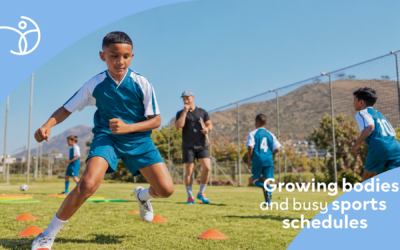
When growing bodies meet busy sports schedules: What parents need to know
Growth spurts, busy school sports schedules and recurring aches can leave parents wondering when to be concerned. Learn which changes to look for, why patterns matter and when physiotherapy may help.
Multi-disciplinary Rehabilitation
Multi-disciplinary rehabilitation brings different areas of healthcare expertise together when needed. Explore why the right care depends on the person, their needs and where they are in their recovery.

Your first years as a physio matter. Choose where you grow carefully.
Your first years as a physiotherapist can shape the clinician you become. Explore why mentorship, continuous learning, workplace culture and shared values matter when choosing where to grow your career.
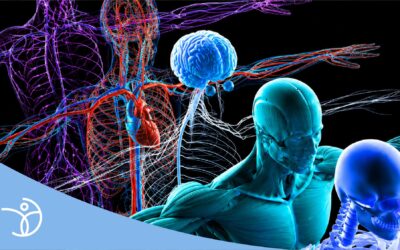
What is Neuromusculoskeletal Physiotherapy and how can it help?
Pain isn’t always as straightforward as where it hurts. Discover how neuromusculoskeletal physiotherapy considers the relationship between the nervous and musculoskeletal systems to better understand symptoms, movement and function and help guide what happens next.
People behind The Lamberti Way | Meet the Lamberti Physio Team
Meet the people behind The Lamberti Way and discover the values, passion and commitment to continuous learning that shape the care we provide every day at Lamberti Physiotherapy.
The Lamberti Way | Patient-Centred Physiotherapy
Discover The Lamberti Way – the philosophy that shapes every patient interaction through thoughtful assessment, collaboration, lifelong learning and a genuine commitment to helping people move, recover and live better.
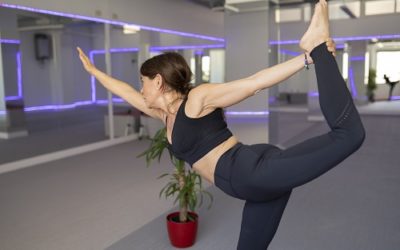
What is MAP Movement?
Myofascial Activated Postural (MAP) Movement is a movement technique that teaches you to use your own body to create movement in all myofascial planes, in all directions. It is centred around the rehabilitation of fascia and is an alignment tool which enables you to...

Back Health and Pilates
Back health? The back is one of the most important parts of the human body, but sadly it is also one of the most neglected. Back muscles give power to the body and connect the hips, buttocks, chest, shoulder and neck. Why back health is important Having good back...

Adolescent Injuries
Growth-related injuries in adolescents are of great concern to parents of active kids and teenagers. Also known as “growing pains”, bones grow rapidly but muscles and tendons often struggle to keep up during adolescence. This imbalance can place stress on growth...

Kinesio Taping
Kinesio taping is made of a special elastic material that is applied directly onto the skin in specific techniques that help the body through unrestricted movement. It also assists the body's muscles, ligaments and joints, allowing performance to improve and prevent...

What is Core Stability?
Core stability can be described as the ability of the pelvic floor, diaphragm, spinal stabilisers and abdominal muscles to control and support the spine during movement. It plays an important role in postural support and movement control. What is the core made up of?...

Acute injuries on the sports field
There have been many revisions regarding the best practice guidelines for the management of acute injuries throughout the years. Research development is continuous and upgrades our understanding and management of tissue injury. The newest acronym that guides acute...

Fascia and how Physiotherapists treat it
Ever feel tight or stiff? It may not be your muscles, but your fascia! Fascia (pronounced FASH-a) is thin, strong connective tissue surrounding all structures within the body. It consists of several layers - superficial fascia is situated under the skin whilst the...

Trail and Road Running: Training Differences
Running is one of the most popular forms of exercise globally, offering numerous physical and mental health benefits. However, not all running surfaces are created equal. Trail running and road running differ significantly in their demands on the body and mind,...

Whiplash and Whiplash-associated Disorders
Whiplash-associated disorder (WAD) is the term given for a group of symptoms that are caused by indirect trauma to the neck with an acceleration–deceleration mechanism, such as falls, car accidents or by direct trauma to the neck, for example from...
REQUEST A TREATMENT
Complete the form below and we’ll contact you to set date and time